

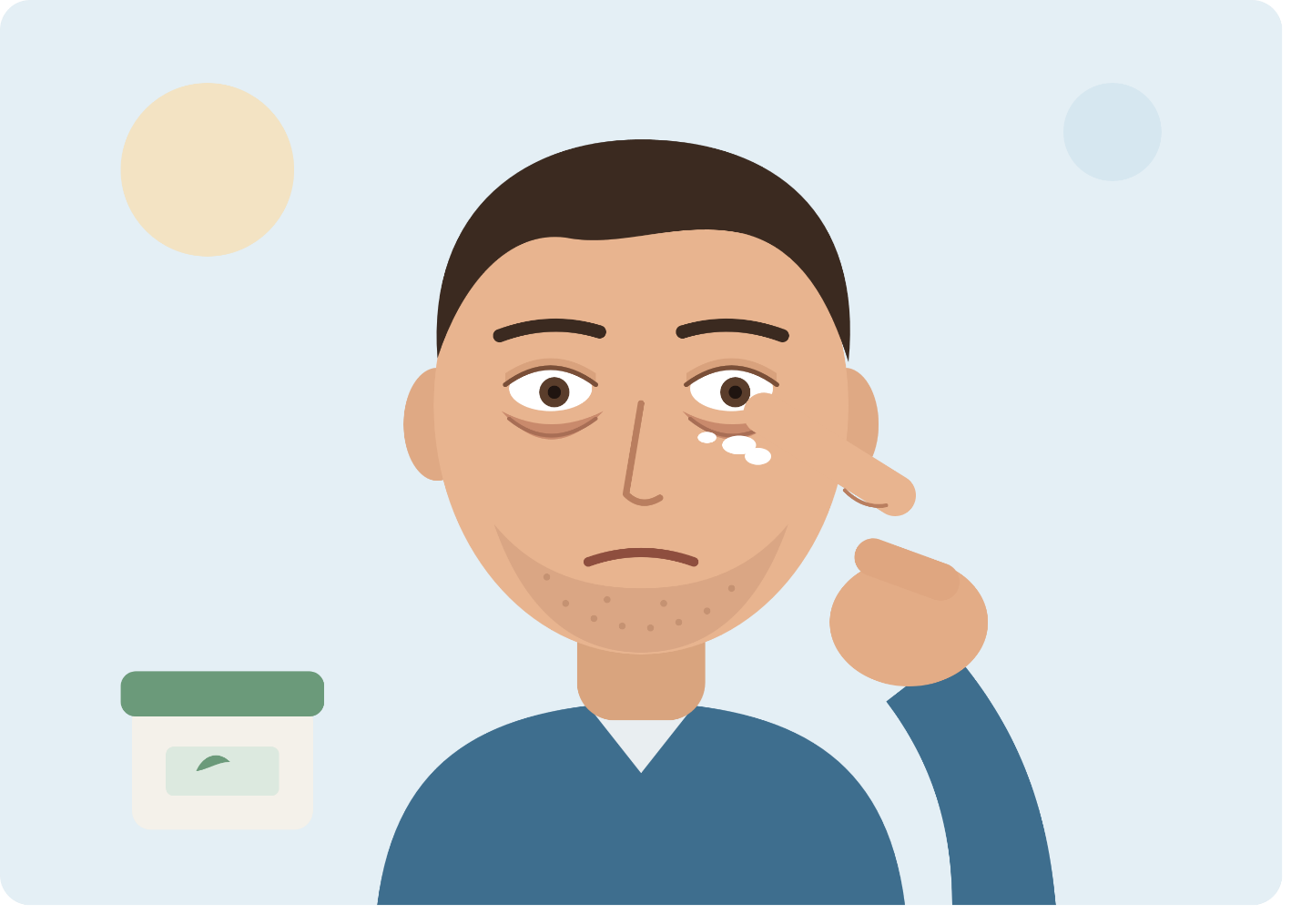
Puffy eyes vs. dark circles: what's actually going on
Puffiness and dark circles often show up together, but they have different causes, so they need different fixes.
Puffy eyes are usually fluid. The skin under your eyes is some of the thinnest on your body, so extra fluid shows there first. Common triggers include:
- Salt and alcohol. A salty dinner or a few drinks makes your body hold on to water, and it pools under your eyes overnight.
- Bad or short sleep. Lying flat lets fluid settle around the eyes. Too little sleep makes it worse.
- Allergies. Seasonal allergies, dust, or pet dander cause swelling, itching, and the urge to rub (which makes it worse).
- Age. Over time, the tissue that holds fat pads in place weakens, so some under-eye bags become permanent rather than morning-only.
Dark circles have different causes:
- Genetics and thin skin, which let blood vessels show through as a bluish or purple tint.
- Pigmentation, a brown tint that's more common in darker skin tones and gets worse with sun exposure.
- Shadows cast by puffiness or hollowing under the eye.
Here's the honest part: cold, caffeine, and good habits work well on puffiness. Genetic dark circles can be softened but rarely erased by a cream. Any product promising to "reverse" them overnight is overselling.
The 5-minute morning rescue
Got a meeting in an hour? This routine reduces most morning puffiness fast.
One thing to skip: hemorrhoid cream. It's an old internet trick, but it isn't made for the eye area and can irritate it.
Prevention habits that actually work
The best eye cream is the puffiness you never get. These habits do more than any product:
- Sleep 7 to 9 hours, with your head slightly raised. An extra pillow keeps fluid from settling around your eyes overnight.
- Watch the late-night salt. Takeout, chips, and ramen at midnight show up on your face the next morning.
- Match every drink with a glass of water. Alcohol dehydrates you, and your body responds by holding on to fluid in all the wrong places.
- Treat your allergies. If your eyes itch and swell in spring or around pets, an over-the-counter antihistamine can help. Ask a pharmacist which one fits you.
- Stop rubbing your eyes. It irritates thin skin and can make darkness worse over time.
- Wear sunscreen every day, including near your eyes. UV exposure darkens pigmentation and breaks down collagen, which thins under-eye skin.
How to check it's really organic
Look for the USDA Organic seal or an NSF "contains organic ingredients" mark on the product photos, not just the word "organic" in the title. Labels like "natural," "clean," or "made with botanicals" aren't certifications.
An honest trade-off: Organic eye creams are great at hydrating and smoothing, but they don't contain caffeine so they won't give an instant de-puff. For fast results, chill your jar in the fridge and pair it with the cold-spoon trick above. Natural ingredients can still irritate, so patch-test on your jawline for a day first.
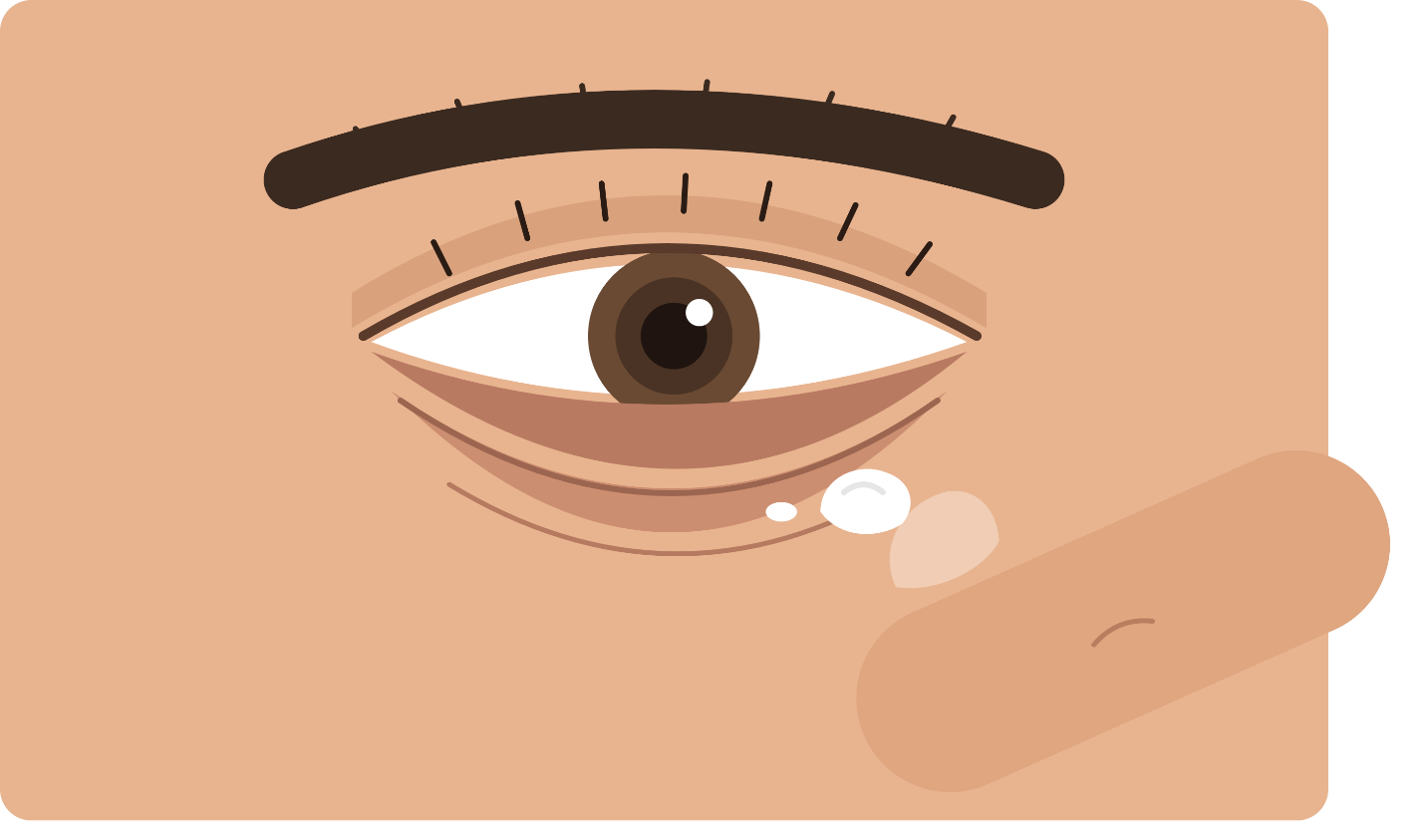
How to apply eye cream the right way
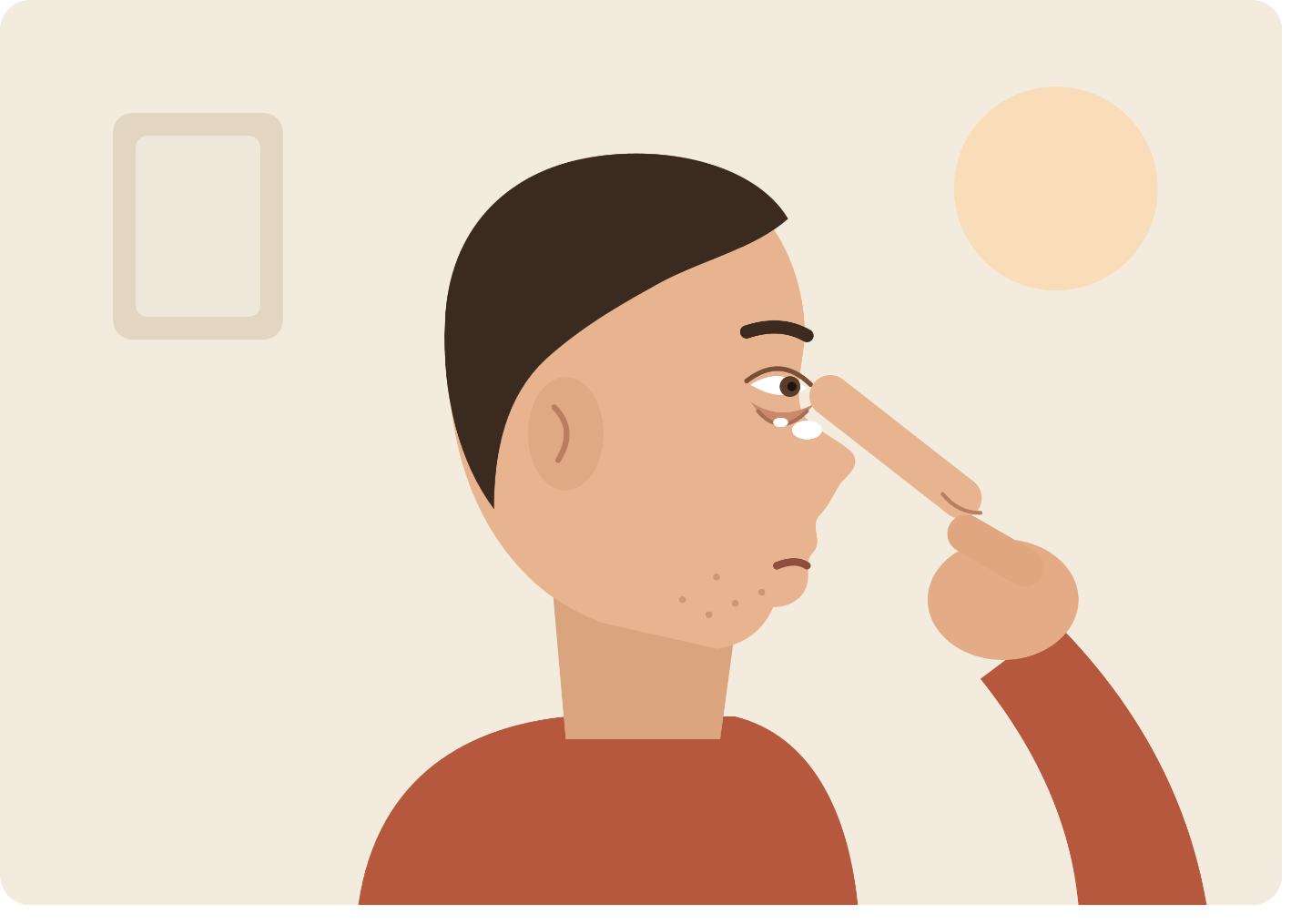
Most guys use too much and rub too hard. Here's how to do it properly:
Use it morning and night for best results. Roll-ons and sticks can go on anytime you need a quick refresh.
When to see a doctor
Most puffy eyes are harmless. Book an appointment with a doctor or dermatologist if:
- Swelling is only on one side, or comes with pain, redness, or warmth.
- Puffiness lasts all day, every day, and doesn't improve with the habits above.
- You have vision changes, discharge, or a bump on the eyelid.
- Swelling appears around both eyes along with swollen ankles or feet, which can be a sign of a kidney, heart, or thyroid issue.
For permanent under-eye bags or deep hollows, a dermatologist can talk you through options like prescription treatments, fillers, or minor procedures.