

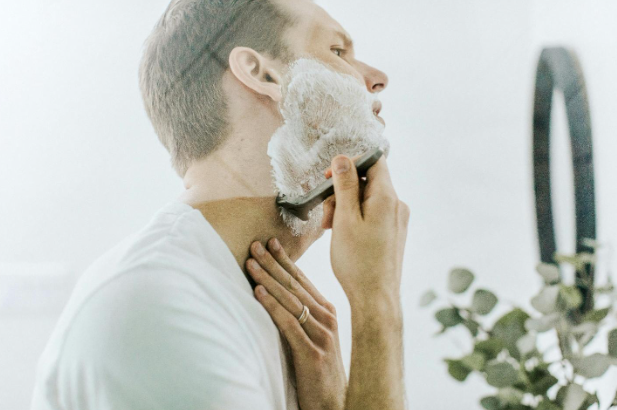
Know your skin type
Every product choice depends on your skin type, so figure it out first. Wash your face with a gentle cleanser, pat dry, apply nothing, and check your skin after one hour.
- Oily: Shine across the whole face and visible pores. Look for gel cleansers, oil-free gel moisturizers, salicylic acid, and niacinamide.
- Dry: Feels tight, flaky, or dull, especially on the cheeks. Look for cream cleansers, ceramides, glycerin, and hyaluronic acid.
- Combination: Oily T-zone (forehead, nose, chin) with normal or dry cheeks. Look for a gentle gel cleanser and a lightweight lotion.
- Normal: Comfortable, with little shine or flaking. Keep it simple: gentle cleanser, light moisturizer, and SPF.
- Sensitive: Redness, stinging, or itching after products. Choose fragrance-free formulas with short ingredient lists, and patch-test everything.
Skin type can shift with seasons and climate. Oily skin in a humid summer can turn combination in winter, so adjust your moisturizer accordingly.
The 3-step daily routine every man needs
Cleanse, moisturize, and protect. These three steps take under five minutes and handle 80% of what good skin requires.
Time-saver: A moisturizer with built-in broad-spectrum SPF 30+ combines steps 2 and 3 in the morning. At night, use a plain moisturizer without SPF.

Shaving without razor bumps or irritation
Most men's skin problems start at the razor. Shaving removes a thin layer of skin each time, so technique matters as much as products.
Prone to ingrown hairs or razor bumps? These are especially common with curly or coarse facial hair. Use a leave-on exfoliant with salicylic or glycolic acid 2 to 3 nights a week to keep follicles clear. A single-blade razor or an electric trimmer that leaves slight stubble also helps. Never pick or dig out ingrown hairs.
Growing a beard? The skin underneath still needs care. Wash your beard with your face wash or a beard wash, and use a few drops of beard oil to prevent itching and flaking ("beardruff").
Exfoliation: how often and which kind
Exfoliate 1 to 3 times a week, not daily. Over-exfoliating damages the skin barrier and causes redness, stinging, and more breakouts.
- Physical scrub: Small particles buff away dead skin. Best for normal or oily skin with occasional use. Avoid harsh grains like crushed shells or pits, which can cause micro-tears, and press lightly.
- Salicylic acid (BHA): Oil-soluble, so it cleans inside pores. Best for oily skin, blackheads, and ingrown hairs. It can dry skin if overused.
- Glycolic or lactic acid (AHA): Dissolves dead cells on the surface. Best for dull skin, uneven tone, and dark spots. It increases sun sensitivity, so daily SPF is a must.
Don't scrub on the same day you shave, or over active acne. Both are already irritated skin.
Acne and breakouts: prevent and treat
Acne forms when oil, dead skin, and bacteria clog pores. Treat it with proven ingredients and patience; most take 6 to 8 weeks to show full results.
- Salicylic acid (0.5 to 2%) unclogs pores. Best for blackheads and whiteheads.
- Benzoyl peroxide(2.5 to 5%) kills acne bacteria. Best for red, inflamed pimples. It can bleach towels and pillowcases, so use white ones.
- Adapalene (0.1% gel) is a retinoid available over the counter in many countries. It prevents clogged pores from forming in the first place. Use a pea-sized amount at night.
- Niacinamide reduces oil and redness and is gentle enough for most skin.
Habits that help: Wash your face after workouts, change pillowcases weekly, wipe your phone screen, and keep hands off your face. Oil-blotting papers can tame midday shine without disturbing your skin the way repeated wiping can.
See a dermatologist if acne is painful, leaves scars or dark marks, or hasn't improved after 3 months of over-the-counter treatment. Prescription options work very well.
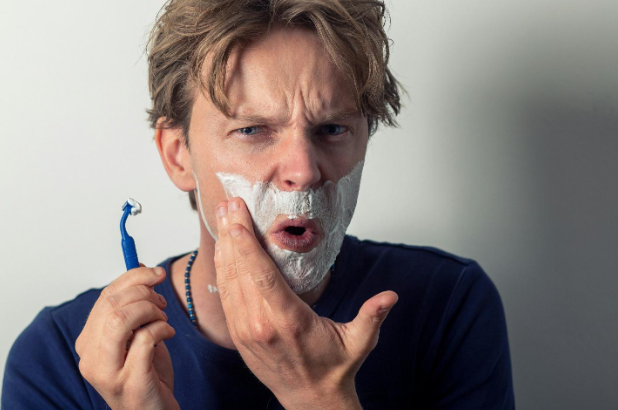
Anti-aging that actually works
Daily sunscreenis the single most effective anti-aging product. After that, only a few ingredients have strong evidence behind them.
- Retinoids (retinol, adapalene, or prescription tretinoin): Boost cell turnover and collagen, smoothing fine lines and evening tone. Start in your mid-to-late 20s, 2 to 3 nights a week, building up to nightly. Expect some dryness for the first few weeks.
- Vitamin C serum (morning): An antioxidant that brightens skin and adds extra protection against sun and pollution damage. Apply before sunscreen.
- Peptides and hyaluronic acid: Support hydration and firmness. Useful additions, not essentials.
Aging also shows around the eyes first. A light eye cream or your regular moisturizer, plus enough sleep, helps with puffiness and fine lines.
The details people notice: nose, ears, lips, and brows
Small grooming details make a big difference to how polished you look.
- Nose and ear hair: Trim, don't pluck. Plucking nose hair can lead to painful infections. Use rounded-tip grooming scissors or an electric nose trimmer every 1 to 2 weeks, and only trim what's visible.
- Eyebrows: Tidy, not shaped. Trim long strays with a small trimmer and remove obvious hairs between the brows. Leave the natural shape alone.
- Under-eye area: Dark circles and puffiness often come from sleep, salt, alcohol, or allergies. A cold compress in the morning helps temporarily.
6 common men's skincare mistakes
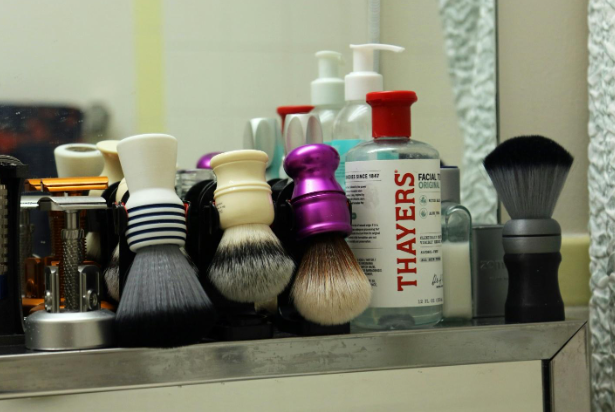
Your men's skincare routine at a glance
- Morning: Face wash, then moisturizer, then SPF 30+. Optional: a vitamin C serumbefore moisturizer.
- Night: Face wash, then moisturizer. Optional: a retinoidor acne treatment before moisturizer.
- 1 to 3 times a week: Exfoliate with a scrubor acid, but not on shave days.
- Every 1 to 2 weeks: Trim nose, ear, and brow strays, and replace your razor blade every 5 to 7 shaves.