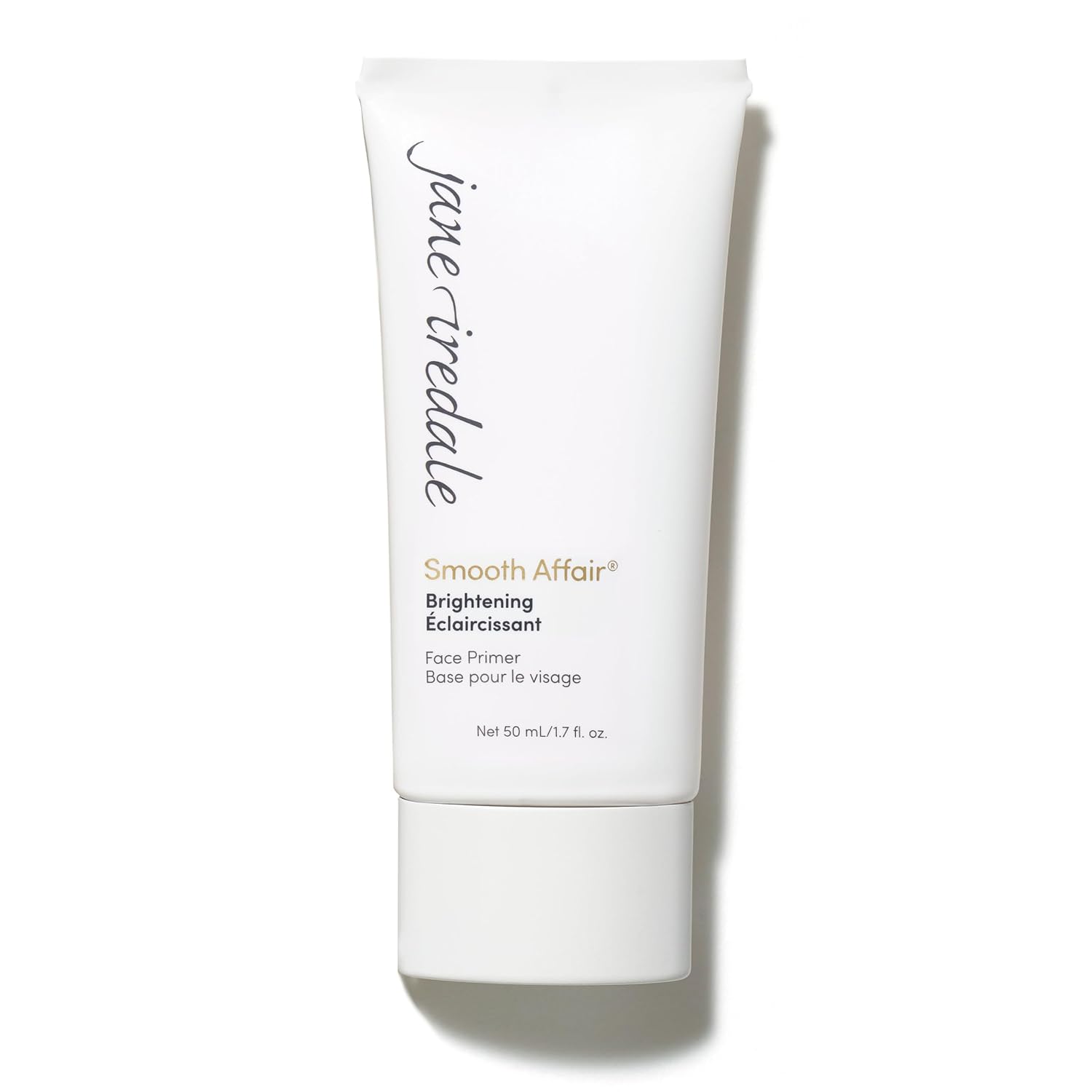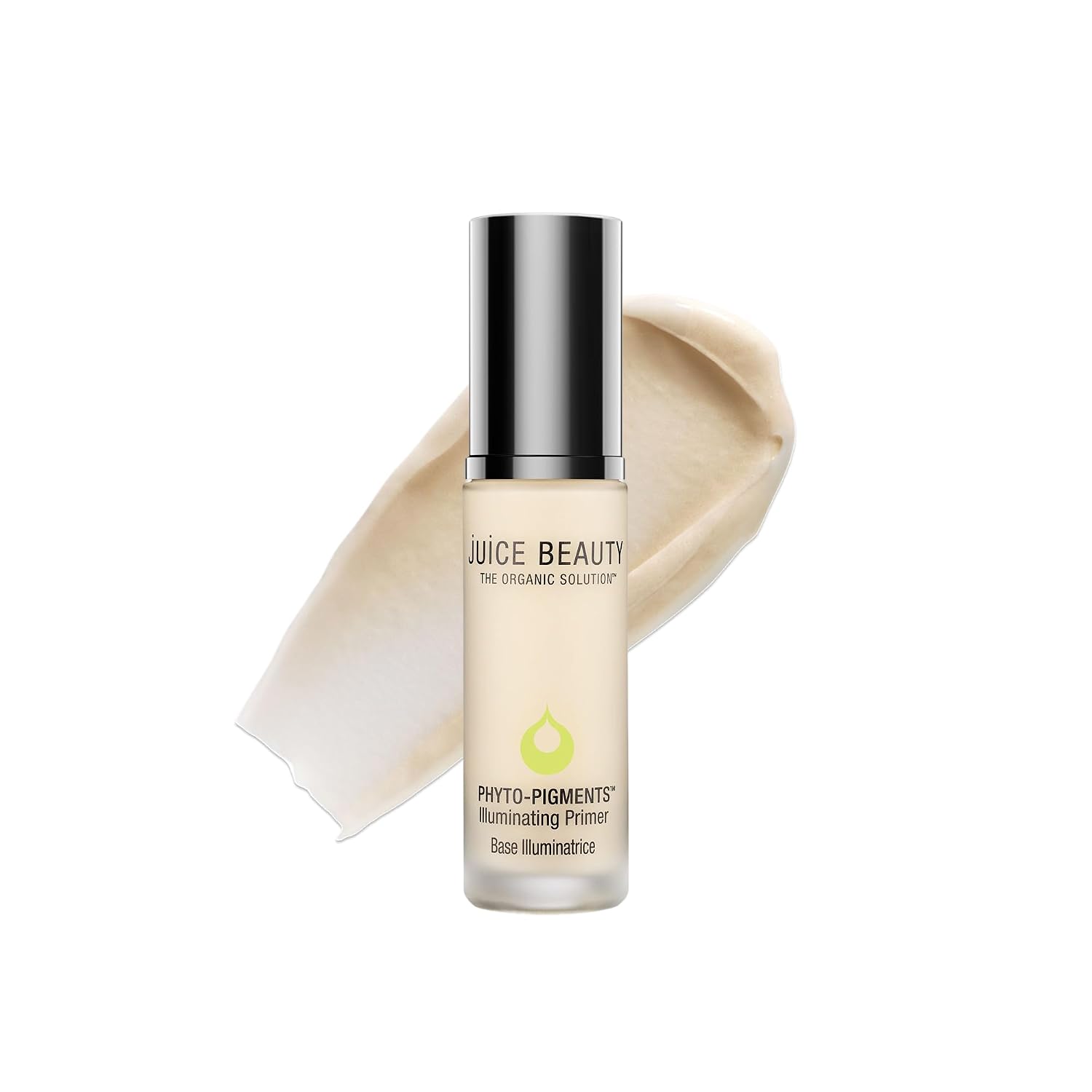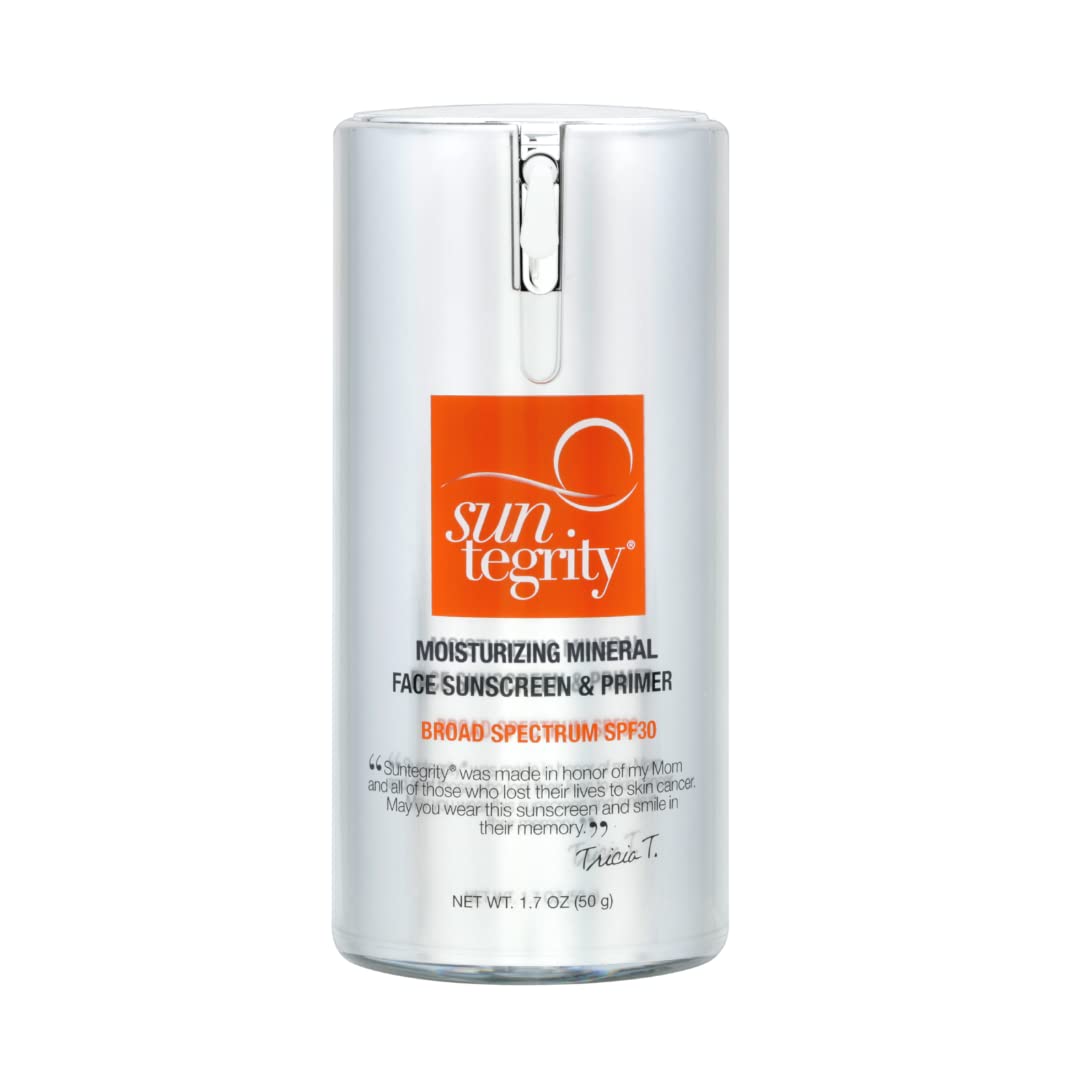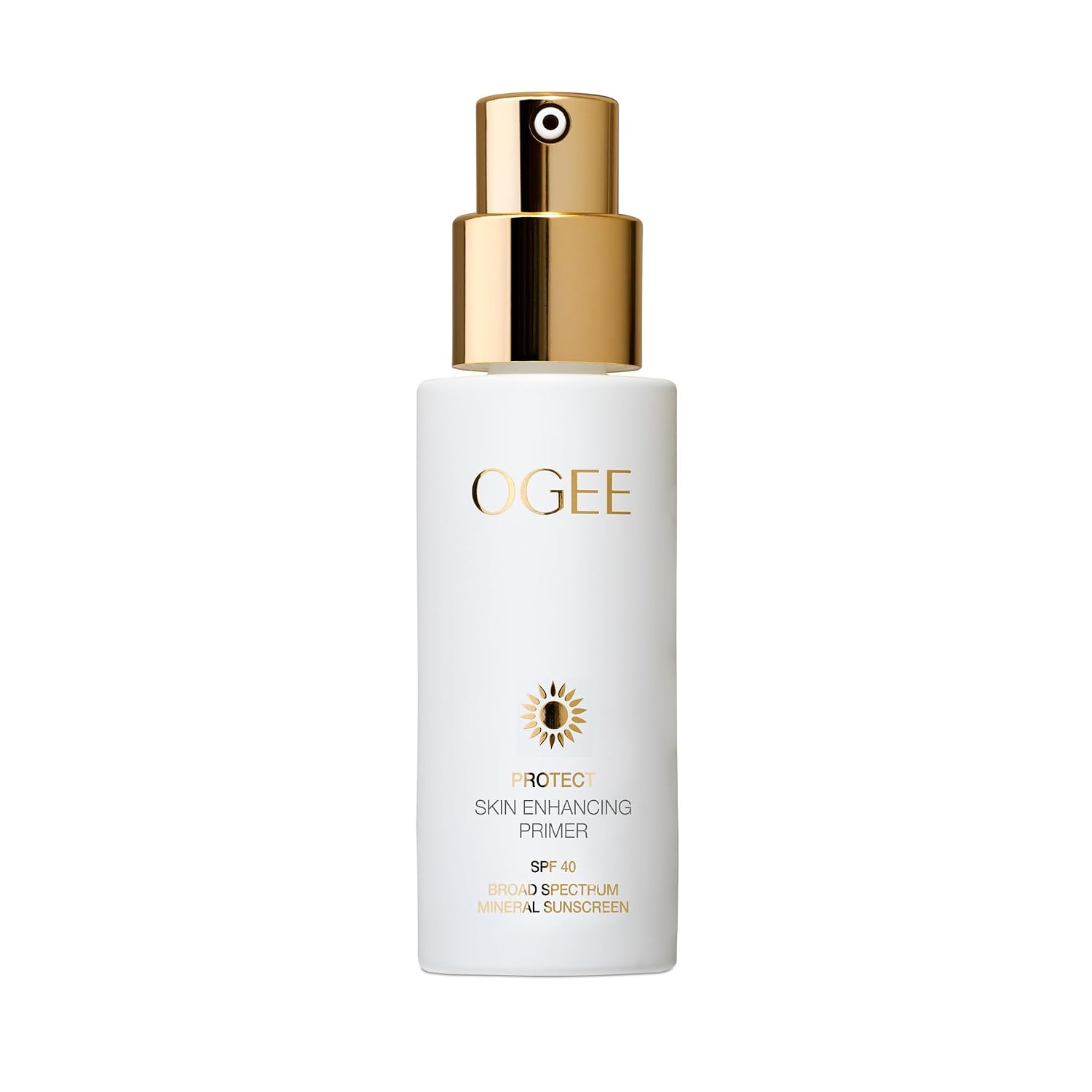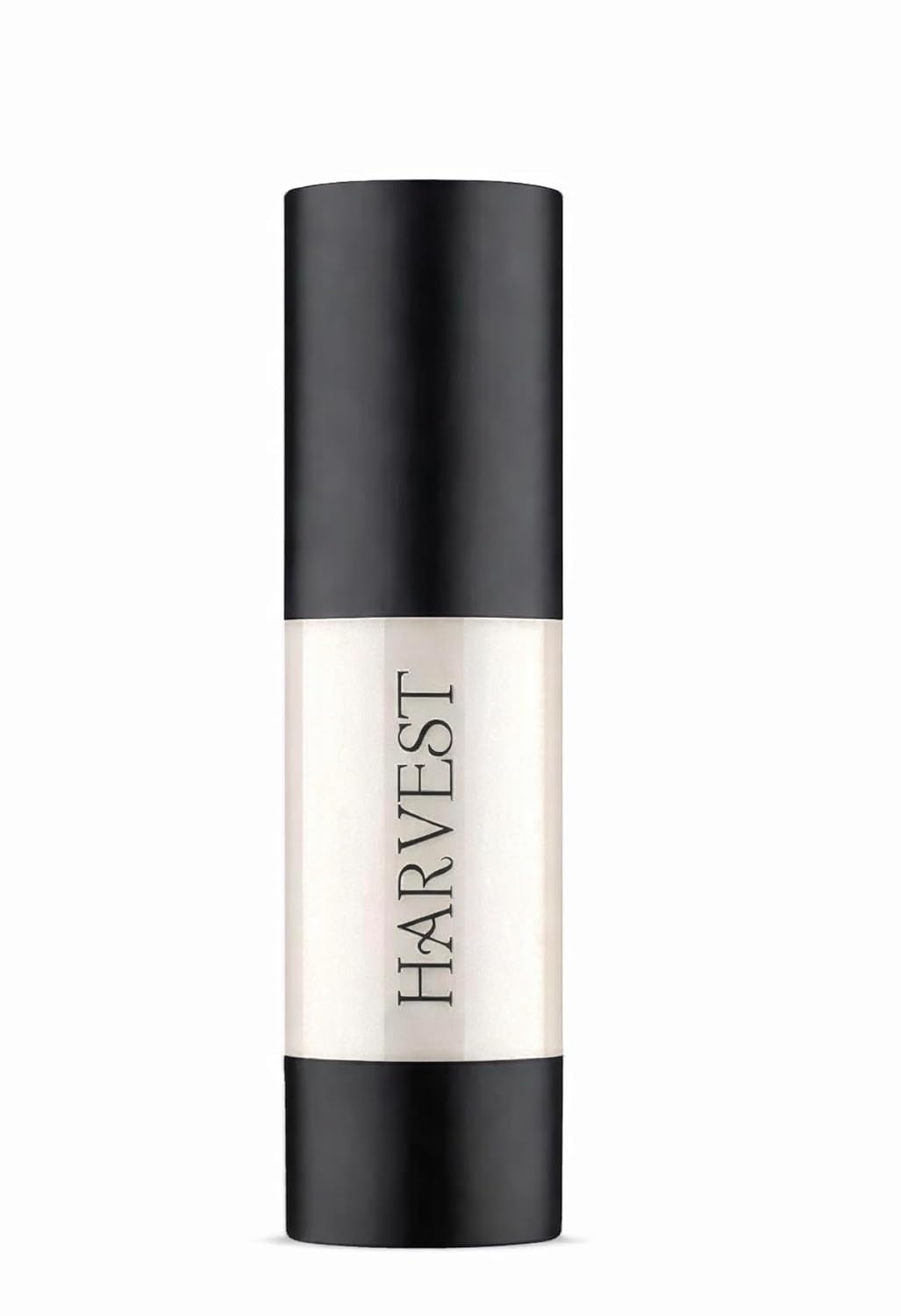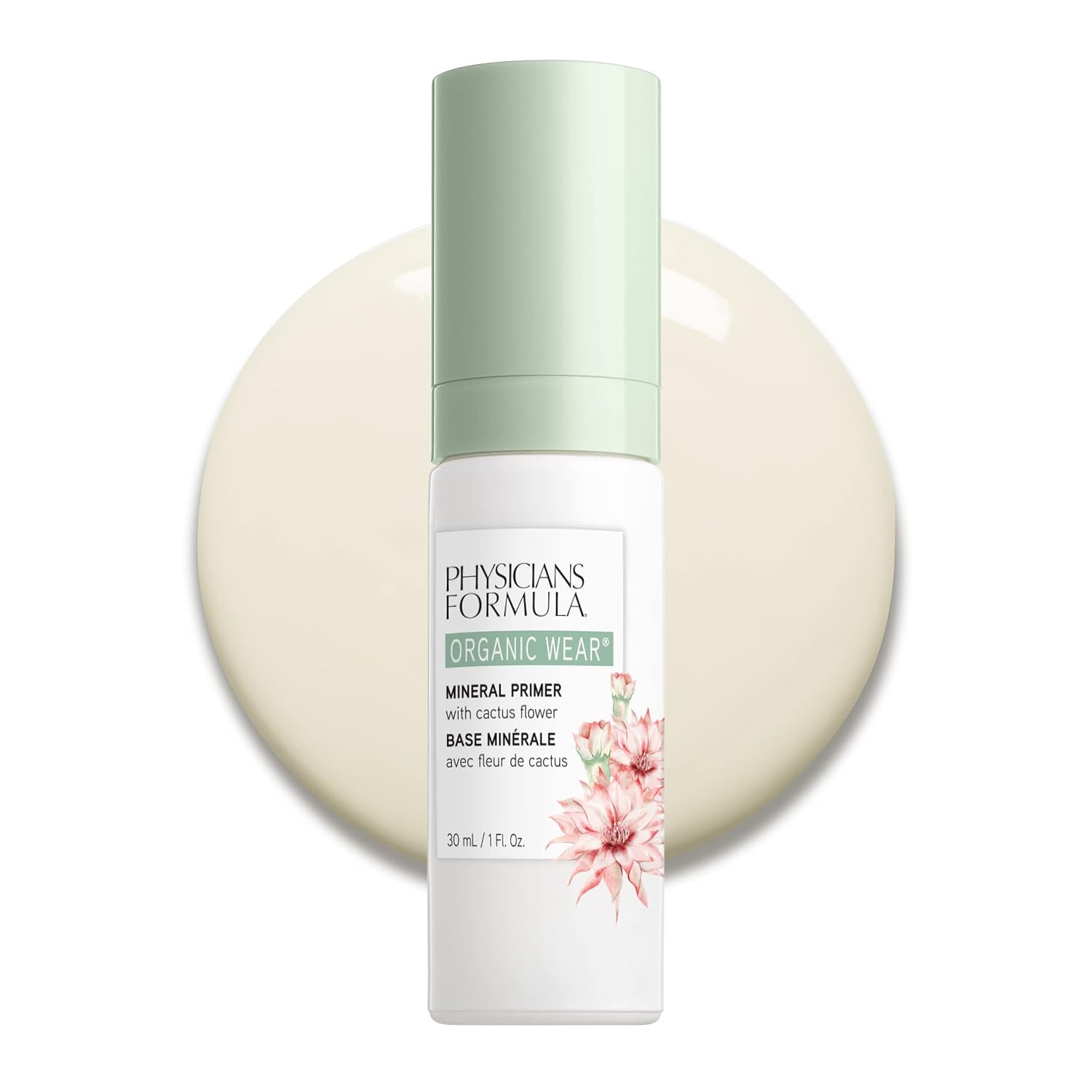


Core ingredients of an organic face primer
Ingredients vary by brand and by the job the primer is designed to do. Many organic primers contain antioxidants such as vitamins A, C, and E, plus botanical extracts like green tea, grape seed, aloe, or fruit extracts.
Primers generally fall into three bases:
- Silicone-based primers give the smoothest, most "blurred" finish. Stricter organic brands often avoid them.
- Mineral-based primers use ingredients like silica and mica to absorb oil and soften the look of pores.
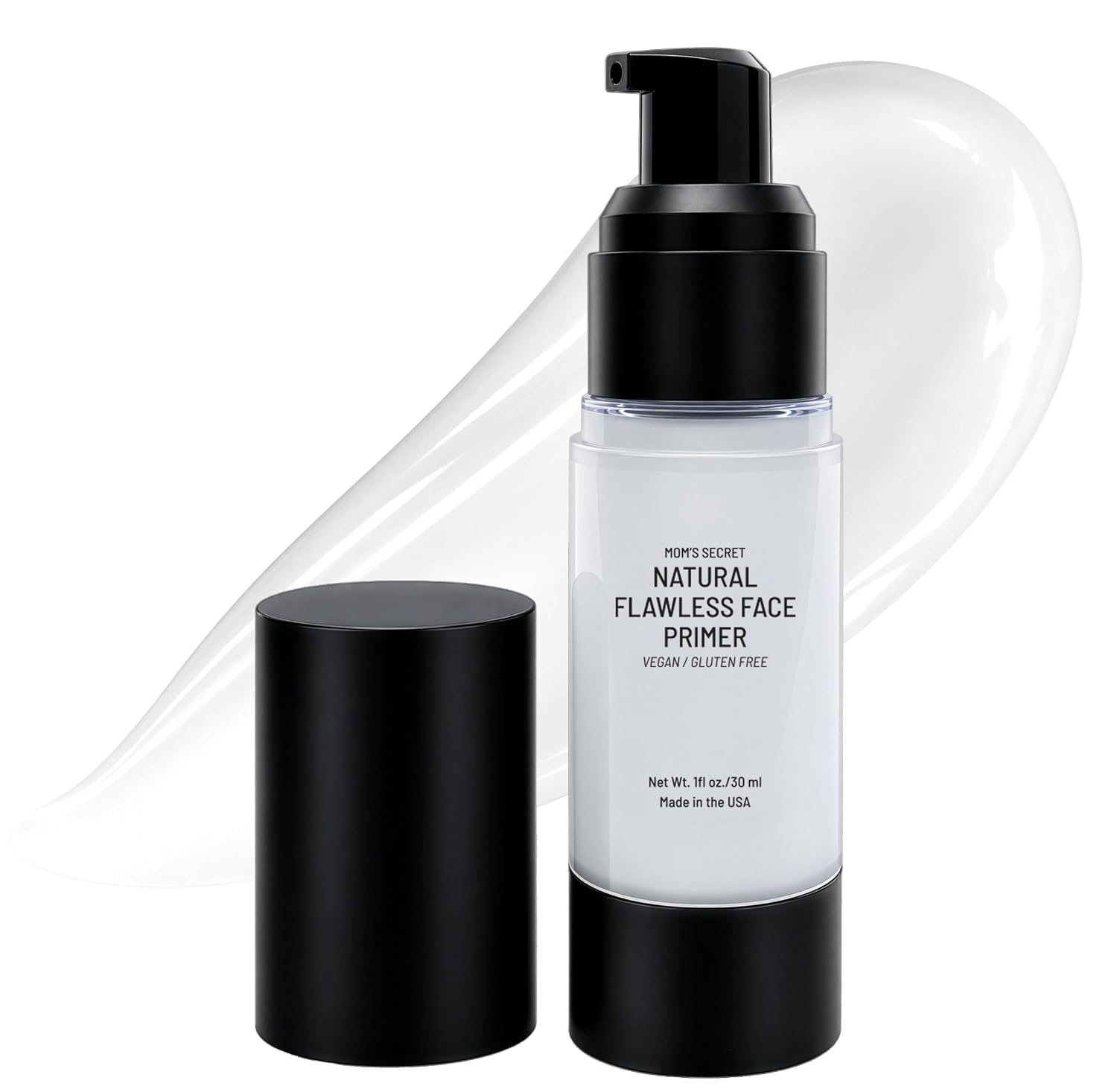
- Water-based primers are lightweight and hydrating, and they sit well under most foundations.
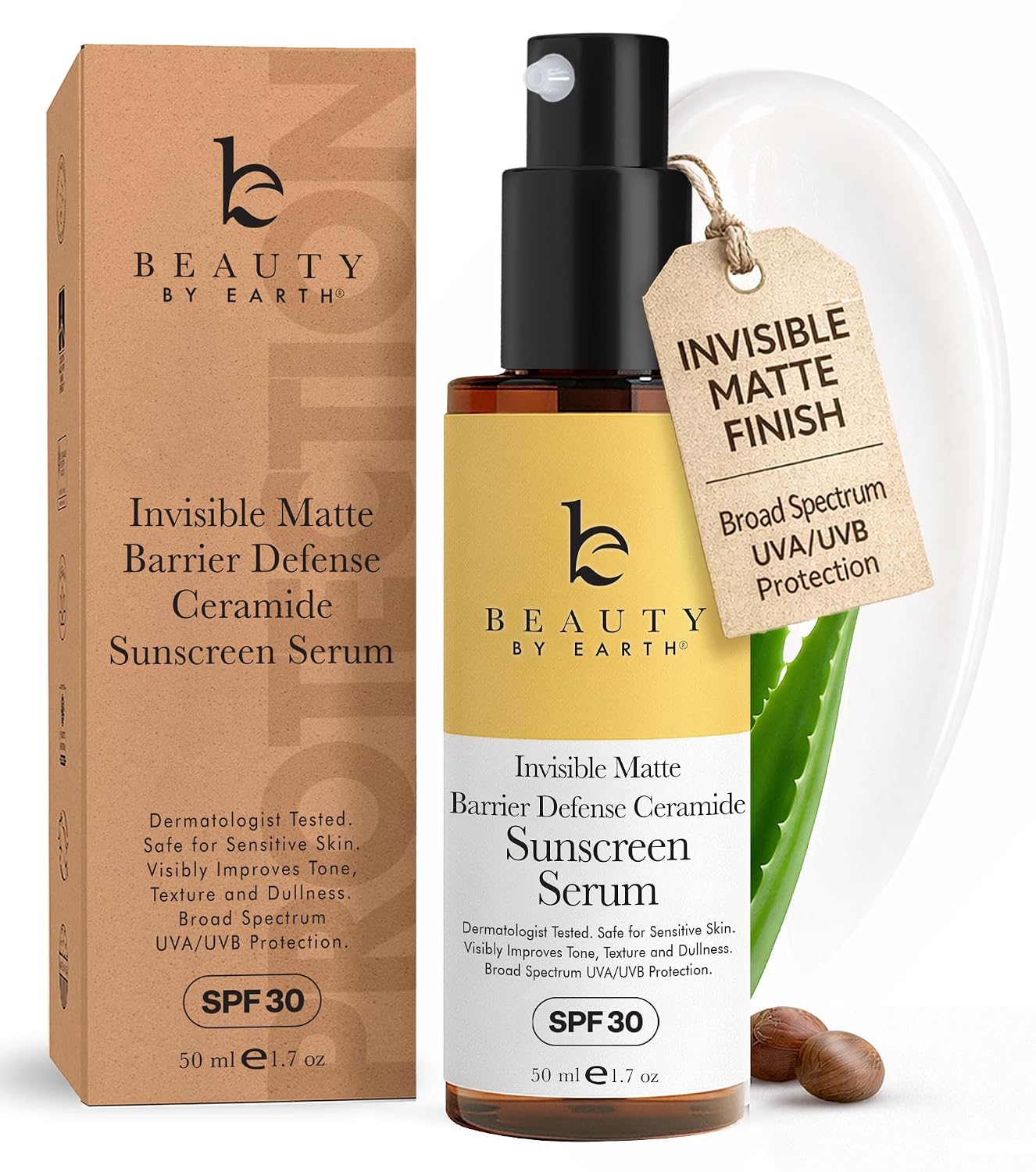
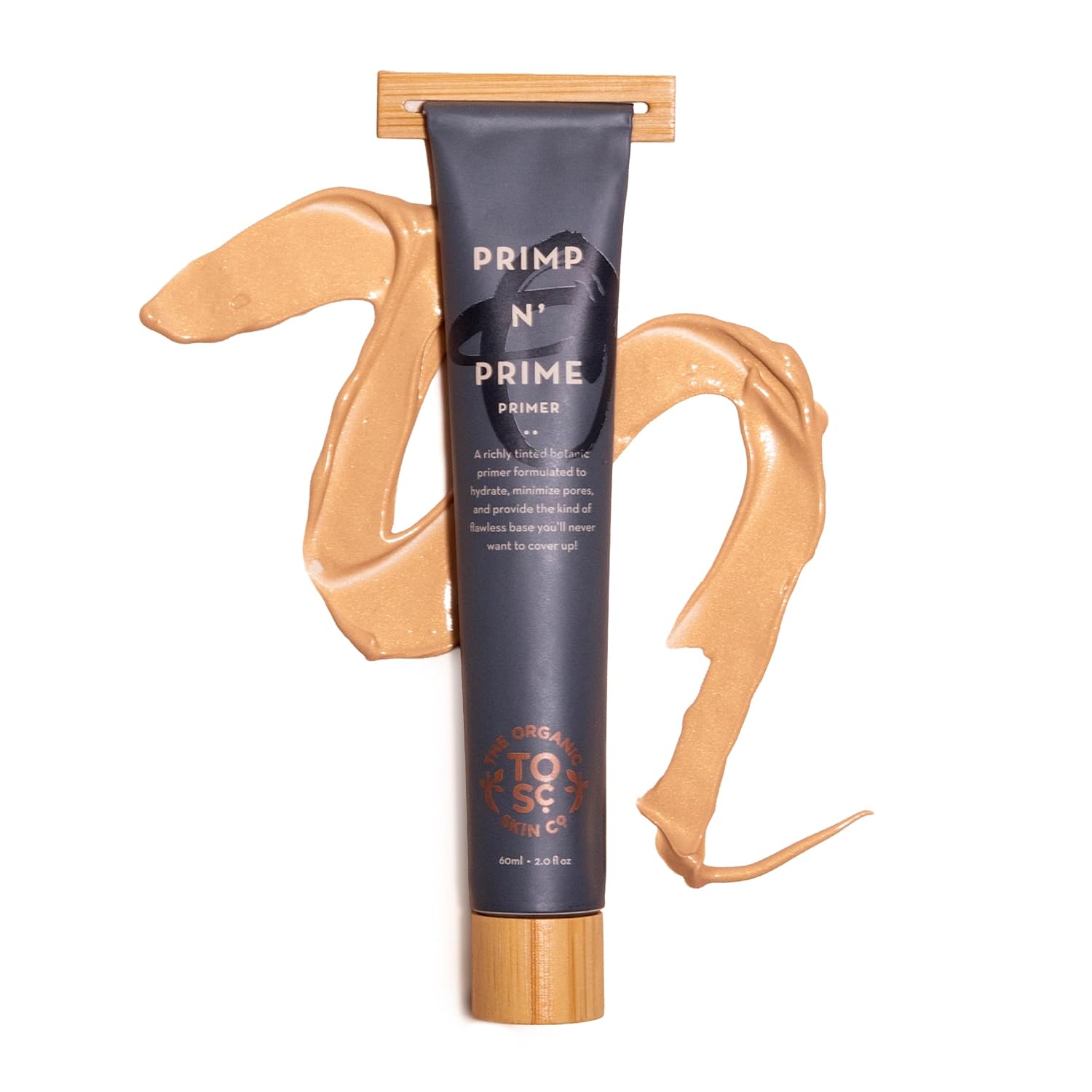
Some formulas include SPF for sun protection, while others add a sheer tint to even out skin tone. If you have sensitive skin, check the label for added fragrance, essential oils, and preservatives.
Benefits of an organic face primer
Primers work for every skin type, as long as you choose one made for yours. Here's what a good one does:
- Makes makeup last longer. Foundation grips the primer instead of sliding off oily areas or clinging to dry patches.
- Smooths texture. It softens the look of pores, fine lines, flaky spots, and rough patches.
- Evens skin tone. Tinted and color-correcting formulas reduce redness and dullness.
- Adds a light barrier. A primer sits between makeup and skin, which can help makeup wipe off more cleanly at the end of the day.
- Supports skin. Antioxidants, botanical extracts, and optional SPF add skincare benefits, and some formulas are marketed as anti-aging.